
- wadmiine
- 0 Comments
- 9 Views
The allure of risk in casinos
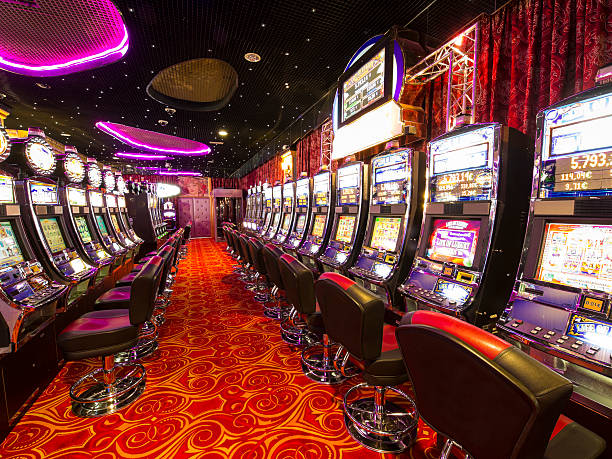
Casinos are intricately designed environments that captivate players, drawing them in with the promise of excitement and uncertainty. The vibrant lights, enticing sounds, and immersive atmosphere create a sensory overload that appeals to the psychological desire for risk. For many, the thrill of gambling at an online casino australia is not solely about winning money; it encompasses the emotional highs that come from taking chances. This allure of unpredictability can stimulate feelings of euphoria and adrenaline, making the gambling experience highly addictive.
In addition to the sensory appeal, social dynamics within casinos enhance the allure of risk. The communal nature of many games fosters interaction among players, amplifying the excitement through shared experiences. This social engagement can embolden individuals to take risks they might otherwise avoid, leading to impulsive decisions driven by group dynamics. The excitement shared among participants can create a supportive environment that encourages risk-taking, further complicating a player’s relationship with gambling.
The structure of casino games significantly contributes to the allure of risk as well. Games like poker, blackjack, and roulette involve varying levels of strategy and chance, which can make the decision-making process feel more complex and engaging. Players often convince themselves that their skills in these games justify their risk-taking behavior, even when the odds are stacked against them. This complexity creates a sense of challenge and mastery that can be intoxicating, leading players to chase the thrill at any cost.
The role of cognitive biases
Cognitive biases play a pivotal role in how gamblers make decisions and assess risk within casinos. One of the most common biases is the illusion of control, where players mistakenly believe they have the ability to influence the outcome of games of chance. For instance, a player might adopt a specific betting strategy, convinced that it will lead to success. This false sense of empowerment can escalate risk-taking, often resulting in significant losses when reality does not align with their expectations.
The gambler’s fallacy is another cognitive bias that can skew perception and lead to poor decision-making. This phenomenon occurs when players believe that past outcomes will influence future results, such as assuming a slot machine is “due” for a payout after a streak of losses. Such misconceptions can prolong gameplay and lead to chasing losses, escalating the risk of financial setbacks. This irrational line of thinking can trap players in a cycle of gambling that is difficult to escape.
Moreover, reinforcement patterns in gambling heavily influence risk-taking behavior. Casinos often utilize intermittent rewards, where players receive sporadic wins throughout their gaming experience. This unpredictability creates a compelling feedback loop that encourages players to continue gambling in pursuit of the next big win. The excitement associated with these occasional successes can lead to compulsive behaviors, as the anticipation of rewards outweighs the reality of losses, making it increasingly challenging to maintain a rational perspective on risk.
The psychological impact of wins and losses
The psychological effects of wins and losses in gambling are profound and can significantly influence future risk-taking behaviors. Winning can create a euphoric state, reinforcing the desire to gamble further. The thrill associated with a substantial payout often leads to overconfidence, prompting players to engage in riskier bets in hopes of replicating their success. This phenomenon, known as the “winner’s effect,” can alter a player’s approach in subsequent games, often resulting in escalating levels of risk.
Conversely, experiencing losses can lead to intense feelings of despair and frustration. Many individuals resort to “chasing losses,” a behavior where they attempt to recover lost money by increasing their bets. This risky strategy often traps players in a vicious cycle, where the quest to recover losses drives them to take greater risks without a rational assessment of their situation. The psychological stress from such behavior can have lasting repercussions on a player’s emotional well-being and financial stability.
Furthermore, the emotional rollercoaster of gambling can create a precarious mindset. As players become desensitized to both wins and losses, the initial excitement of victory may diminish. To recapture that thrilling experience, players might feel compelled to take increasingly significant risks. This escalation can lead to problematic gambling behaviors as individuals seek out higher stakes and more substantial thrills, often without considering the potential consequences of their actions.
Social influences on gambling behavior
Social influences are crucial in shaping gambling behaviors within casino settings. Peer pressure can significantly impact individual risk levels, especially in group environments. When friends or family members display enthusiasm for gambling, it can encourage others to increase their risk-taking behaviors. The desire for social acceptance and the fear of missing out can overshadow personal caution, leading to decisions that may not align with an individual’s better judgment.

The portrayal of gambling in popular culture also contributes to societal perceptions of risk-taking in casinos. Films and television shows often romanticize gambling, framing it as a glamorous and thrilling pursuit. This depiction can distort reality, causing individuals to underestimate the risks involved and overestimate their chances of winning. Such misconceptions can translate into real-world behaviors, where individuals feel emboldened to gamble recklessly, ignoring the potential consequences of their actions.
Moreover, the normalization of gambling as a mainstream form of entertainment has shifted how society perceives risk. With the increasing acceptance of gambling in various cultures, individuals may become less aware of the dangers associated with excessive risk-taking. This cultural shift can lead to a greater willingness to engage in gambling activities without fully understanding the psychological and financial implications of their behavior, often resulting in regrettable choices.
Conclusion and further exploration
In examining the psychology of risk-taking in casinos, it becomes evident that a complex interplay of cognitive biases, emotional responses, and social influences shapes player behavior. Recognizing these psychological factors is essential for individuals seeking to engage in responsible gambling practices and for policymakers working to promote safer gaming environments. Understanding the underlying motivations and influences can lead to more informed decisions and healthier attitudes towards gambling.
For those interested in delving deeper into the psychology behind gambling, numerous resources and studies explore both the allure and consequences of risk-taking in casinos. By fostering awareness of these psychological elements, we can cultivate a more responsible and informed gambling culture that prioritizes individual well-being while still appreciating the excitement that chance can bring. Through education and understanding, players can navigate the world of gambling more wisely, ensuring that their experiences remain enjoyable and safe.
Ultimately, the exploration of risk-taking in casinos is not just about understanding why individuals gamble but also about recognizing the implications of those actions. By engaging with the psychological aspects of gambling, players can make choices that enhance their enjoyment while minimizing negative outcomes. As we continue to study this fascinating intersection of psychology and gambling, we can contribute to a more informed and responsible gaming community.


