
- wadmiine
- 0 Comments
- 8 Views
The Thrill of Risk and Reward
At the heart of gambling lies the thrilling dichotomy of risk and reward. Individuals are drawn to casinos not solely for the chance of winning money but for the adrenaline rush that accompanies each game. The environment is meticulously crafted to heighten excitement, with vibrant lights, enticing sounds, and the palpable energy of fellow players. This sensory overload creates a heady atmosphere that can transform a mundane evening into an electrifying experience, especially when players are eager to enjoy an instant casino withdrawal time that enhances their overall enjoyment, making the casino an alluring destination for many seeking excitement and entertainment.
The allure of risk is particularly compelling; it feeds into a fundamental human trait—the propensity to seek challenges. Many gamblers enjoy pushing their limits, testing their luck, and reveling in the suspense of uncertain outcomes. This psychological draw is often magnified in social settings where collective anticipation fosters a sense of camaraderie, making the experience more enjoyable whether one emerges victorious or not. The combination of shared hopes and the thrill of competing against the odds creates a unique bonding experience among players.
Moreover, the thrill of potential rewards can be intoxicating. Winning in a casino can lead to a surge of dopamine, the brain’s “feel-good” chemical, creating a euphoric state that many players chase. This combination of risk, excitement, and reward establishes a powerful incentive for individuals to return to casinos, seeking not just monetary gains but the exhilarating high that comes with playing games of chance. For many, this cycle of risk and reward transforms gambling into a captivating pursuit that extends beyond mere financial incentives.
The Social Connections Made at Casinos
Casinos serve as vibrant social hubs where people gather to engage not just in gaming but in social interaction. Friend groups, couples, and even strangers often come together in these venues, sharing laughter, excitement, and sometimes even disappointments. The shared experience of gambling can foster connections, as players cheer each other on, share strategies, and celebrate victories together. Such interactions can lead to the formation of friendships or even deeper relationships that extend beyond the casino, creating a sense of community among players.
Furthermore, many casinos host events and activities designed to encourage socializing, such as poker tournaments or themed nights. These events draw participants from various backgrounds, providing an opportunity for individuals to socialize and connect over a shared interest. In this sense, gambling can build community bonds as much as it offers individual thrills, making it a multifaceted experience that appeals to a broad audience. The festive nature of such gatherings often enhances the overall experience, turning gambling into a social event rather than just a solitary activity.
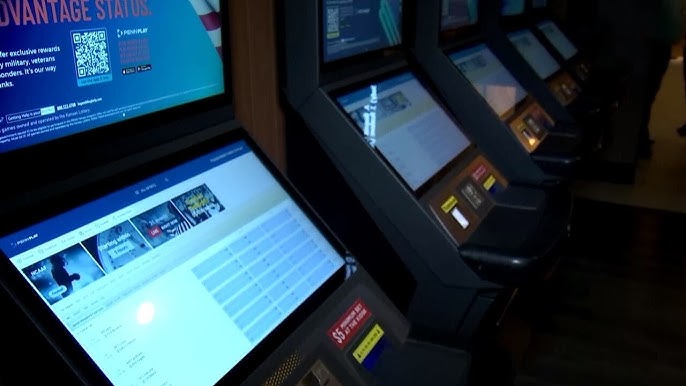
The social aspect of gambling can also create a sense of belonging. For some, visiting a casino is not just about the games but about being part of a larger community. Regular players often develop rapport with staff and fellow gamers, leading to familiarity that enhances the overall experience. This sense of belonging can be particularly comforting for those who might feel isolated in their daily lives, thus making the casino a welcoming space where social connections can thrive. The camaraderie developed in these environments can provide emotional support and a sense of shared purpose among players.
The Impact of Casino Culture on Behavior
In exploring why people gamble, it’s important to consider the culture surrounding casinos. Each establishment has its unique atmosphere, heavily influenced by local customs and social norms. For example, in some regions, casinos are synonymous with celebration, commonly frequented during holidays, special events, or weekend getaways. This cultural integration of gambling into social life can normalize the behavior, making it a common pastime akin to dining out or attending concerts, thereby reducing any stigma associated with gambling.
The social acceptance of gambling can influence individual perceptions and behaviors regarding risk and money. In environments where gaming is prevalent, people may be more likely to view gambling as a harmless leisure activity rather than a vice. This cultural framing can contribute to the normalization of gambling, encouraging both casual and frequent participation among individuals who might otherwise refrain from it. As gambling becomes intertwined with social activities, it can reshape attitudes toward risk and financial management, often portraying it as a legitimate form of entertainment.
Additionally, the way casinos market themselves plays a crucial role in shaping public perception. Many casinos invest heavily in creating a luxurious experience, promoting fine dining, entertainment, and an overall lifestyle that seems glamorous. This strategic branding can attract individuals who are motivated by a desire for escapism, adventure, and social prestige, further entrenching the association between casinos and vibrant social experiences. This marketing approach not only draws in patrons but also reinforces the idea that gambling can be an enjoyable and socially rewarding endeavor.
The Role of Entertainment in Gambling
Entertainment is a fundamental aspect of the casino experience that significantly contributes to why people gamble. Beyond the gaming tables and slot machines, many casinos offer a myriad of entertainment options, including live music, comedy shows, and dance performances. This diverse range of activities appeals to the broader interests of patrons, ensuring that there is something for everyone, regardless of how much they wish to gamble. By providing multiple entertainment avenues, casinos can attract a wider audience, making the environment more inclusive and engaging.

The added entertainment value can entice individuals to visit casinos who might not initially consider gambling a primary draw. Families and groups often make outings to casinos for shows and dining, with gambling as an ancillary activity. This multi-faceted approach maximizes engagement while creating an inclusive atmosphere, allowing people to enjoy themselves in various ways, thus broadening the appeal of gambling. The integration of entertainment into the casino experience ensures that even non-gamblers find enjoyment in the vibrant atmosphere, solidifying the casino’s role as a premier entertainment destination.
Moreover, the entertainment factor keeps players in the casino longer, increasing their potential for spending. The combination of engaging games and live performances creates a compelling environment where individuals can socialize, relax, and enjoy themselves. This holistic approach enhances the experience for patrons and contributes significantly to why they return, creating a cyclical pattern where entertainment complements gaming, promoting higher foot traffic and patron retention. As casinos continue to evolve, the interplay between gaming and entertainment will likely shape the future of the industry.
Understanding Casino Dynamics and Future Trends
As the landscape of gambling evolves, understanding the dynamics of casinos becomes increasingly important. Emerging technologies and online gaming have already begun to reshape how people engage with gambling. While traditional casinos remain popular, the rise of online platforms has created a hybrid model where in-person and digital experiences coexist. This shift introduces a new set of social dynamics and influences how individuals perceive and participate in gambling, as online environments offer unique opportunities for interaction and engagement.
One notable trend is the integration of social features in online gambling platforms. Features such as live dealer games and interactive chat options mimic the social aspects of physical casinos, allowing players to interact with one another and with dealers in real-time. This transformation suggests that future gambling experiences will increasingly prioritize social engagement, whether in physical locations or virtual environments. As technological advancements continue, the essence of gambling as a social experience will likely transcend traditional boundaries.
Furthermore, as regulations surrounding gambling continue to change, casinos may adapt to attract a more diverse clientele. Initiatives focused on responsible gaming and community engagement are becoming more common, reflecting a broader societal awareness of the implications of gambling. These adaptations may shape the future of casino culture, emphasizing both entertainment and social responsibility while catering to an evolving audience motivated by the unique social aspects of gambling. The future of casinos will likely be defined by their ability to balance entertainment and responsible practices, ensuring a sustainable and enjoyable experience for all patrons.


